(서울=연합뉴스) 박세진 기자 = 외국인들에게 설명하기 어려운 한국어 단어 가운데 하나가 '눈치(nunchi)'다.
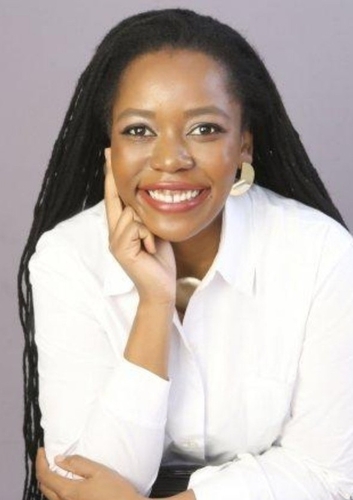
남아공 출신 메리 아부라(Mary Abura)는 한국 생활을 통해 얻은 가장 의미 있는 배움 가운데 하나로 바로 이 눈치를 꼽는다.
그에게 눈치는 어떤 상황에서 조성된 분위기와 맥락, 그리고 말로 표현하지 않은 상대방의 의중을 재빨리 읽어내는 능력이다.
메리는 이메일과 SNS를 이용한 인터뷰에서 한국 생활에서 빠른 눈치가 큰 도움이 된다고 말했다. 눈치라는 걸 알게 되면서 주위 사람들과의 소통이 한층 원만해지고 인간관계가 좋아졌다는 것이다.
현재 서울의 한 고등교육기관에 적을 두고 있는 메리는 연구 성과를 실제 교육 현장에 적용하는 '프라캐데믹'(실무형 연구자)이다.
주요 연구 분야는 교육사회학이다. 특히 고등교육의 탈식민화와 사회정의, 고등교육 국제화, 세계시민교육(GCE) 등에 관심을 두고 있다.
메리는 대학원 진학을 앞두고 스웨덴의 한 명문대 진학 기회를 얻었지만, 한국을 선택했다.
한국에서 경험한 학문 육성에 대한 국가적인 열정과 열의가 그 선택에 결정적인 영향을 미쳤다고 말했다.
메리는 현재 아프리카 출신 연구자 모임 등의 주요 멤버로 활동하고 있다.
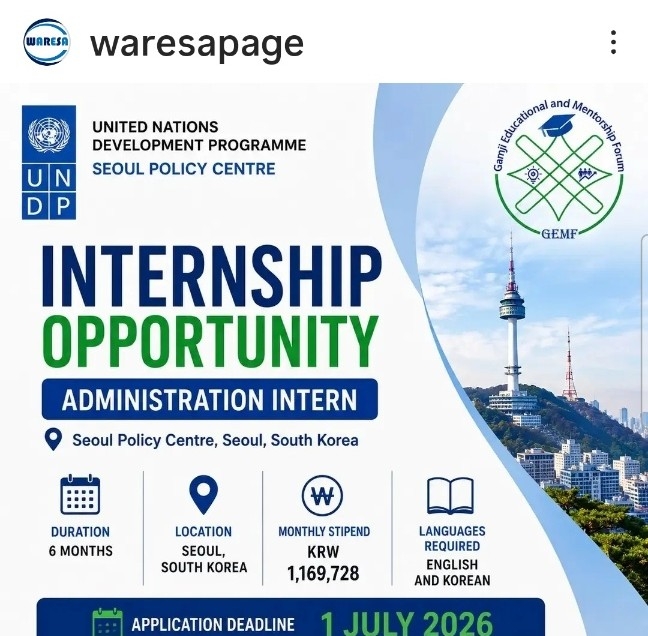
그중 하나가 '세계 아프리카 연구자·엔지니어·기업가·과학자 연합'(WARESA·와레사)이다.
와레사는 아프리카 출신 학생과 연구자, 전문가들을 위한 멘토링과 네트워킹 프로그램을 운영한다. 지금까지 7개국에서 약 15차례의 행사를 열어 예비 유학생과 재학생들을 지원해 왔다.
메리는 또 외국인 학자와 연구자, 박사과정 학생들을 지원하면서 학술 교류와 전문성 개발, 한국 학계의 국제화를 돕는 '재한외국인학자협회'(NAFSIK) 회원이기도 하다.
이 같은 활동을 통해 한국에서 공부하는 아프리카 출신 학생들이 마주하는 기회와 어려움을 가까이에서 접해 왔다.
그는 "박사 학위 취득자들도 자신의 전문성을 살릴 수 있는 안정적인 일자리를 구하는 데 어려움을 겪는 사례가 많다"며 주된 이유로 아프리카 출신자들이 한국 사회와 학계, 노동시장의 치열한 경쟁 환경에 대한 이해와 준비가 부족한 점을 꼽았다.
"와레사는 이런 문제를 해결하는 데 중요한 역할을 하고 있어요. 고무적으로 한국 정부도 교육·취업·장기 정착을 연계한 국제 인재 관리 체계를 마련 중입니다."
그는 한국으로 오는 대다수 아프리카 학생의 목표는 단순히 학위를 받는 것이 아니라 한국 사회에 성공적으로 적응해 장기적인 직업 경력을 쌓는 것이라고 강조했다.
메리가 바라본 한국 학계의 특징은 중앙집중적 구조와 치열한 경쟁이다.
그는 각 나라의 학문 환경은 나름의 강점을 갖고 있다고 말했다. 그러면서 교육 성취에 대한 높은 관심과 국제 대학 순위, 빠른 연구 성과 창출에 대한 국가적인 노력이 한국 학계의 특징을 만드는 배경이라고 분석했다.
한국 사회가 걸어온 발전 과정도 메리에게는 중요한 관심사다.
그는 한국이 전쟁의 폐허를 딛고 불과 수십 년 만에 세계적인 경제 강국으로 성장한 이른바 '한강의 기적'과 관련해 얘기했다. "공동체의 단결과 끈기, 교육에 대한 헌신이 얼마나 큰 변화를 만들어낼 수 있는지 잘 보여 준다"고 말했다.
메리는 한국 생활에서 가장 의미 있는 경험으로 카페 문화를 들었다.
예전에는 커피 맛과 메뉴를 기준으로 카페를 평가했다. 하지만 이제는 자리가 편안한지, 작업 공간이 충분한지, 그리고 업무에 집중하기 좋은 환경인지를 먼저 살핀다고 한다.
그는 "한국은 매우 활발하고 발전된 커피 문화를 가졌다"며 한국에 살면서 점점 카페를 생산적으로 일할 수 있는 공간으로 바라보게 됐다고 말했다.
한국에 와서 '카페 단골'(cafe habitue)이 됐다는 것. 메리는 지도교수가 알려준 대로 25분 집중 후 5분간 휴식을 반복하는 '포모도로(Pomodoro) 기법'을 활용해 카페에서도 연구와 집필 활동을 한다고 말했다.
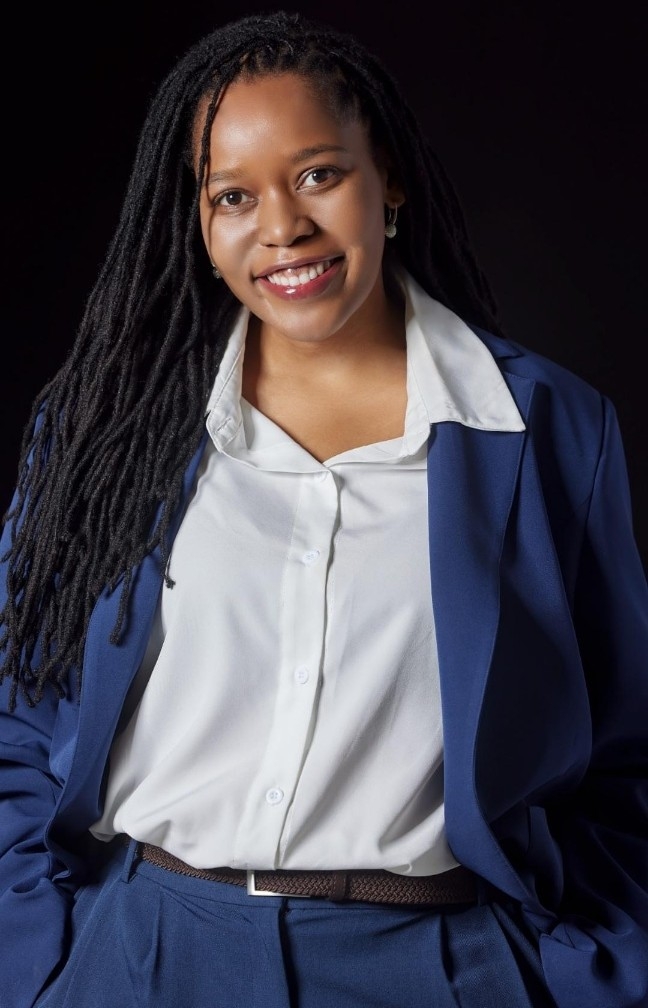
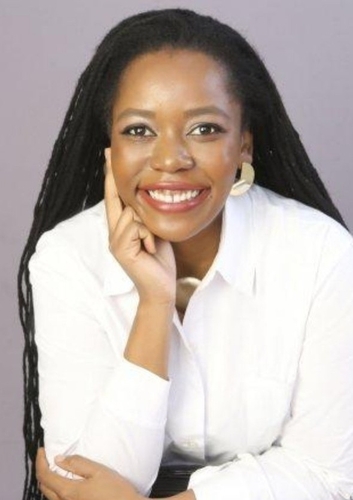
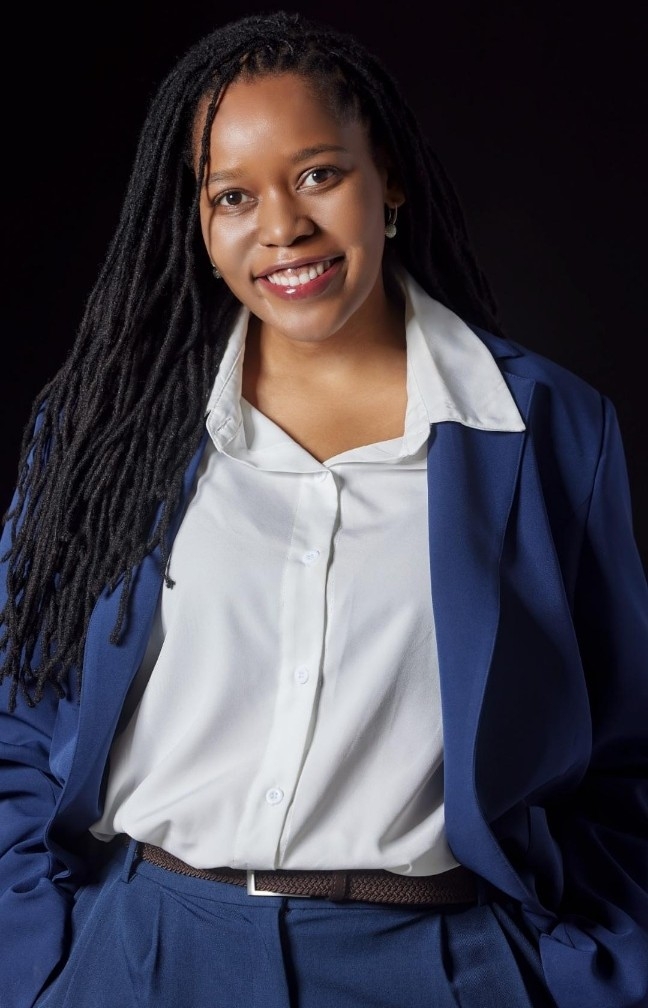
메리는 자신이 즐겨 하는 헤어스타일인 '록스(locs·드레드록)'에 관한 생각도 밝혔다.
록스는 머리카락을 여러 가닥으로 나눠 꼬거나 자연스럽게 엉키게 해 길게 늘어뜨리는 아프리카계 전통 헤어스타일의 하나다.
그는 "가끔 나이 드신 여성분들이 제 머리 모양에 관심을 보인다"며 "머리카락의 질감과 모양이 익숙지 않아서인 것 같다"고 말했다.
메리는 어린 시절부터 머리를 여러 갈래로 땋는 브레이드(braids), 두피에 밀착해 가늘게 땋는 콘로우(cornrows), 삭발, 매직펌 등 다양한 스타일을 시도해봤다.
그러다가 록스를 택한 것은 사회적·문화적 자각에 따른 결정이었다고 설명했다. "록스는 단순한 패션이 아닙니다. 제게는 정체성과 조상으로부터 이어진 유산, 영성을 의미해요. 또한 서구 중심의 미적 기준에 도전하겠다는 의지도 담겨 있습니다."
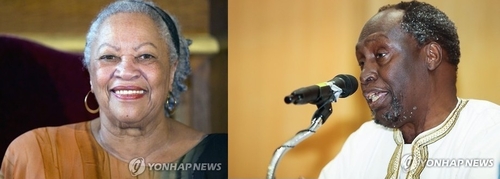
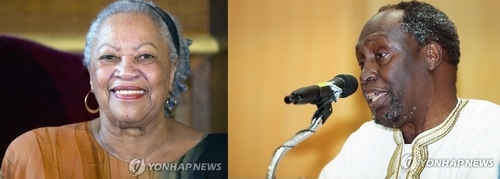
그는 노벨문학상 수상 미국 작가 토니 모리슨과 케냐 출신 작가로 2016년 박경리문학상을 받은 응구기 와 시옹오를 언급하며 "많은 흑인 지식인과 사상가들도 자신의 록스를 자랑스럽게 드러냈다"고 말했다.
메리는 자신의 록스가 단순한 머리 모양이 아니라 자신이 누구인지를 보여주는 사회적·문화적 표현이라고 강조했다.
메리는 한국 대학의 학위 수여식과 학술 의례에 탈식민적(decolonial) 관점을 반영할 때가 됐다는 의견도 밝혔다.
그는 "남아공의 일부 대학들이 전통 의상을 학술 의례에 도입해 문화적 정체성을 회복하고 서구 중심의 학문 전통을 재해석하고 있다"고 말했다.
그러면서 한국 대학들도 학위 수여식 같은 행사에서 교수진이 입는 서구식 학술 예복에 한복 요소를 가미하면 좋을 것이라고 제언했다.
이러한 시도가 한국의 문화적 정체성과 학문적 전통을 기리는 의미 있는 방법이 될 수 있다고 했다.
메리는 자신의 꿈에 대해선 학술 논문을 꾸준히 발표하며 국경을 넘나드는 초국가적 학자로서 활동 영역을 넓혀가겠다는 포부를 밝혔다.
그는 다양한 학문과 문화적 관점을 연결해 세계적으로 의미 있는 지식을 생산하는 데 기여하고 싶다고 말했다.
[Africans in Our Midst] South African scholar says she learned 'nunchi' in Korea
Education sociologist chose Korea over a prestigious Swedish university
Credits education for Korea's rise, suggests hanbok-inspired academic regalia One of the most difficult Korean words to explain to foreigners is "nunchi." For South African scholar Mary Abura, nunchi is among the most meaningful lessons she has learned during her years in Korea. To her, nunchi is the ability to quickly understand the mood and context of a situation, as well as the unspoken intentions of others. In an interview conducted via email and social media, Abura said developing nunchi has helped her communicate more effectively and build stronger relationships in Korea. Currently affiliated with a higher education institution in Seoul, Abura describes herself as a "pracademic" -- someone who bridges academic research and practical application. Her research interests lie in the sociology of education, particularly the decolonization of higher education, social justice, higher education internationalization and Global Citizenship Education (GCE). For her graduate studies, Abura chose Korea over an opportunity at a prestigious Swedish university. She said her decision was shaped by the academic passion and zeal she had witnessed while living in Korea. Abura is also actively involved in academic and professional networks for African scholars. One of them is the World African Researchers, Engineers, Entrepreneurs and Scientists Alliance (WARESA), which supports African students and professionals through mentoring and networking programs. According to Abura, many African students face challenges adjusting to Korea's highly competitive academic and professional environment, and even Ph.D. holders often struggle to secure stable employment after graduation. "WARESA plays an important role in addressing these challenges," she said. "Encouragingly, the Korean government is also working to establish a talent-management framework that links education, employment and long-term settlement opportunities." She emphasized that most African students come to Korea not merely to obtain degrees but to build long-term careers and integrate successfully into Korean society. Abura is also a member of the National Association of Foreign Scholars in Korea (NAFSIK), which plays a crucial role in supporting international scholars, researchers, and PhD students in Korean universities and research institutions. Through these activities, Abura has gained firsthand insight into the opportunities and challenges facing African students in Korea. Asked about Korean academia, Abura described it as highly centralized and intensely competitive. She noted that strong national emphasis on educational achievement, international university rankings and rapid research output are among the factors shaping the country's academic culture. Korea's broader development story also impressed her. Referring to the country's transformation from the devastation of war into a global economic powerhouse, often called the "Miracle on the Han River," she said: "The transformation highlights remarkable aspects of Korean society. It reflects determination, innovation and a profound commitment to education, while demonstrating the power of unity and perseverance." Among the aspects of Korean life she values most is the country's cafe culture. Abura said she once judged cafes primarily by the quality and variety of their menus. Over time, however, she began to see them as productive spaces for work and intellectual engagement rather than simply places to enjoy coffee and pastries. She now evaluates a cafe based on the comfort of its seating, the availability of workspace and how conducive the environment is to focused work. "Korea has a vibrant and highly developed coffee culture," she said. "Living here has gradually changed the way I think about cafes." Describing herself as a "cafe habitue," Abura said she often uses the Pomodoro technique -- a time-management method involving 25 minutes of focused work followed by a five-minute break -- while conducting research and writing in cafes. When asked about local reactions to her distinctive hair, Abura spoke about her preferred hairstyle, known as locs, or dreadlocks. Locs are a hairstyle in which hair is twisted or allowed to naturally lock into long rope-like strands. She recalled that older Korean women occasionally show curiosity about her hair because of its unfamiliar texture and appearance. Having experimented with various styles over the years, including braids, cornrows, shaved hair and chemically straightened styles, she said choosing locs was a woke decision. "Locs are not simply a fashion statement," she said. "To me, they represent identity, ancestry and spirituality. They also reflect a commitment to challenging Eurocentric standards of beauty." Abura cited American Nobel Prize-winning author Toni Morrison and renowned Kenyan writer Ngugi wa Thiong'o as examples of prominent Black intellectuals who proudly wore locs. She stressed that her hairstyle is a social and cultural expression of who she is, rather than merely a personal fashion choice. Abura also believes it is time for Korean universities to incorporate a decolonial perspective into academic regalia and graduation ceremonies. She noted that several South African universities have introduced traditional attire into academic ceremonies as a way of reclaiming cultural identity, celebrating local heritage and reinterpreting Western academic traditions. She suggested that Korean universities could likewise consider incorporating hanbok-inspired attire for faculty into convocation ceremonies. Such a move, she said, would provide a meaningful way to honor Korea's cultural identity and academic heritage. Looking ahead, Abura hopes to continue publishing academic research and expanding her role as a transnational scholar. She said she wants to contribute to the production of globally relevant knowledge by connecting diverse academic traditions and cultural perspectives. (By Park Se-jin, Ubuntu Content Team of Yonhap News) ※ Editor's note: This article is the English version of a Korean-language story, helped by AI translation in part and checked by an editor. parksj@yna.co.kr
(끝)
<저작권자(c) 연합뉴스, 무단 전재-재배포, AI 학습 및 활용 금지>


 불타는 뉴스